Medical Machining: The Hidden Partner Behind Trusted Medical Devices
Medical device manufacturers carry the responsibility of delivering safe, reliable, high-performing equipment. Medical professionals rely on their equipment to work exactly as intended for every procedure, every patient, every time.
That trust starts long before a tool ever reaches an operating room or clinical setting.
To ensure high-quality devices, medical device manufacturers rely on precision machining partners who can produce components with consistency, tight tolerances, and documented quality. Medical machining brings together engineering expertise, material science, and tightly controlled manufacturing processes to support devices that clinicians and patients rely on every day.
Why Medical Machining is Indispensable for Healthcare Advancement
Medical manufacturing demands consistency, accuracy, and repeatability. Components must perform exactly as intended every time, whether they are used once in an operating room or remain inside the body for decades.
CNC machining enables that level of control. It allows manufacturers to produce complex geometries, hold tight tolerances, and maintain consistency across production runs. For medical device OEMs, this reliability protects product performance, regulatory compliance and brand reputation.
Quality Is Built Into the Process Through Regulatory Compliance
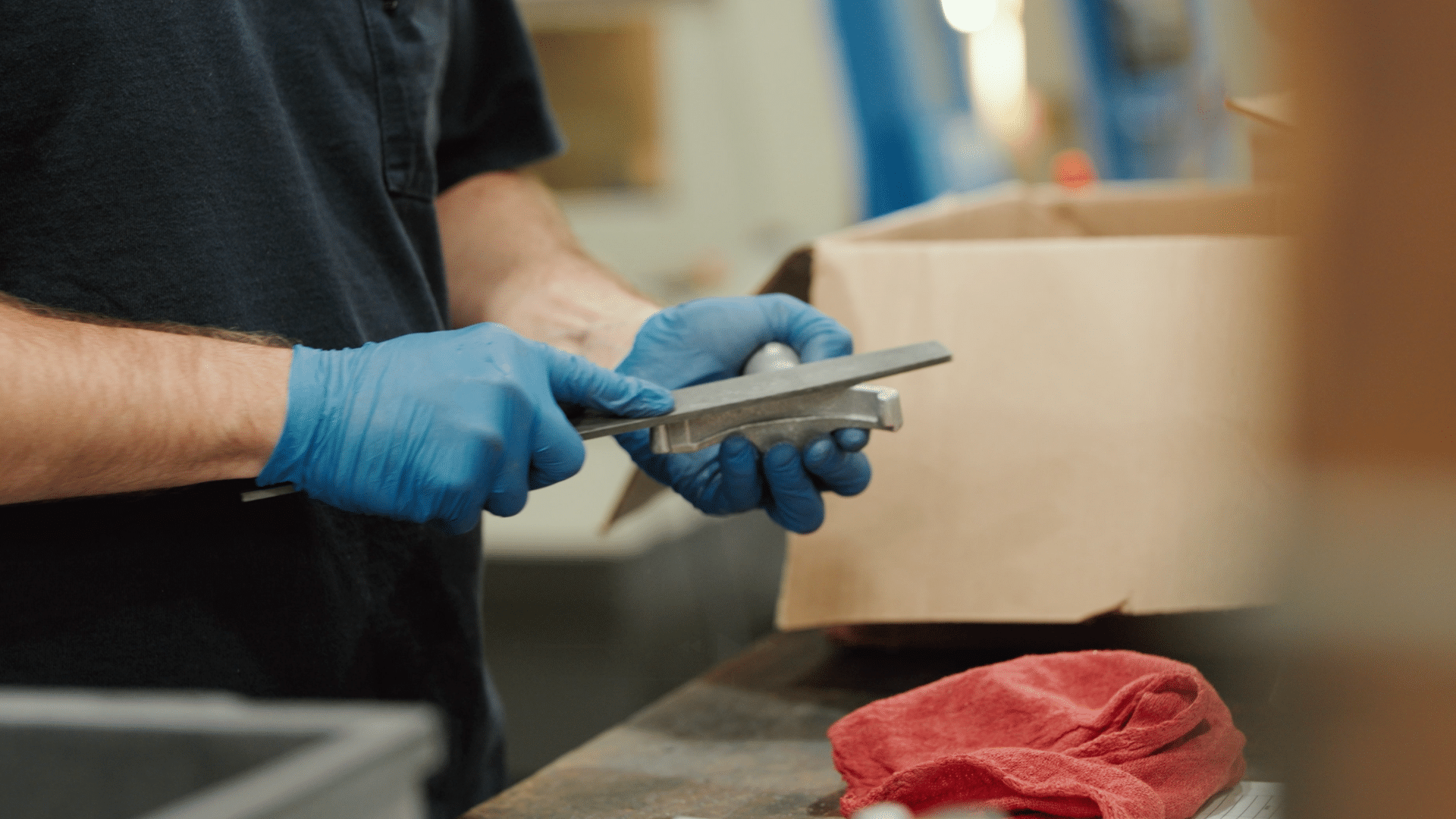
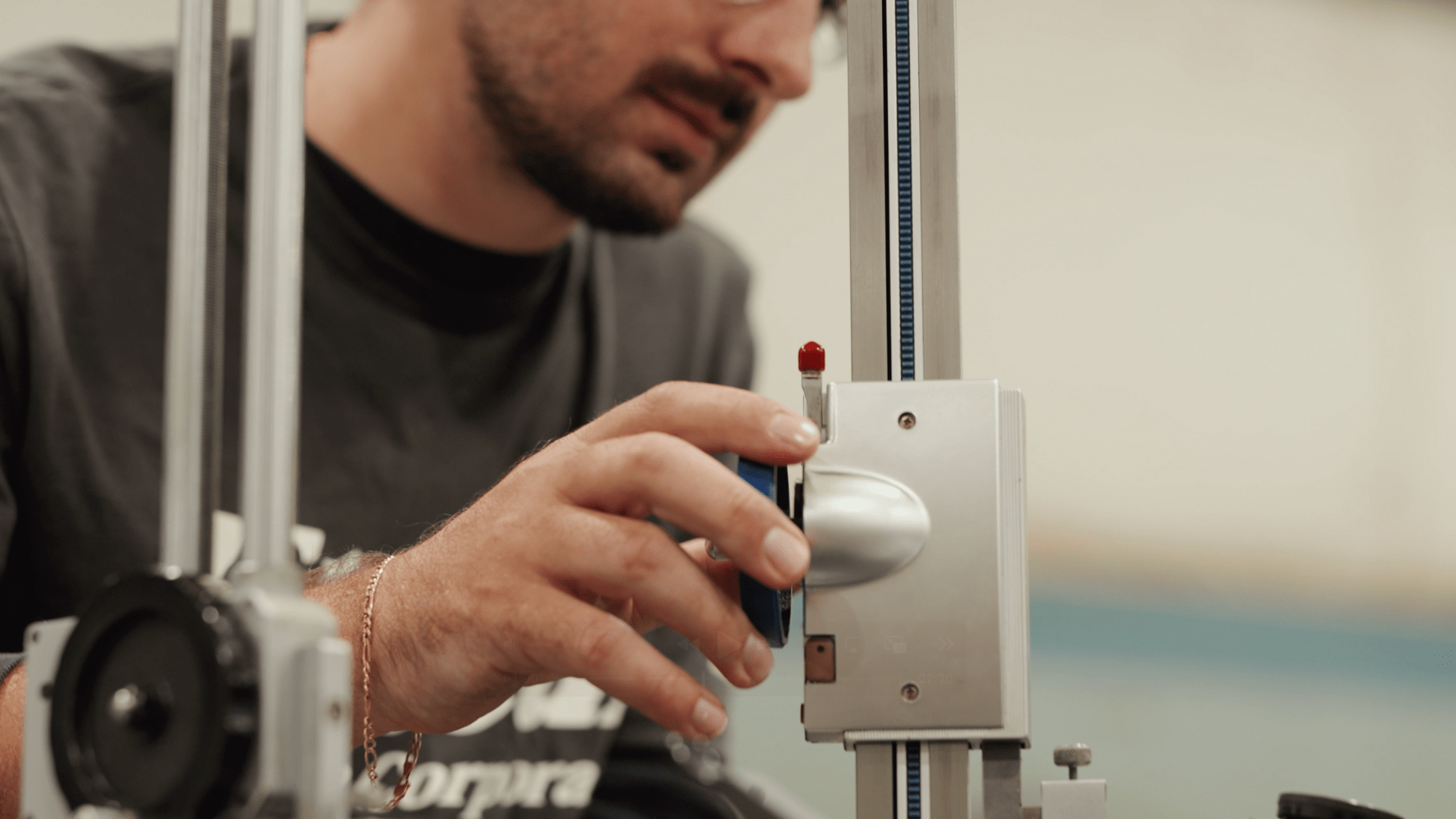
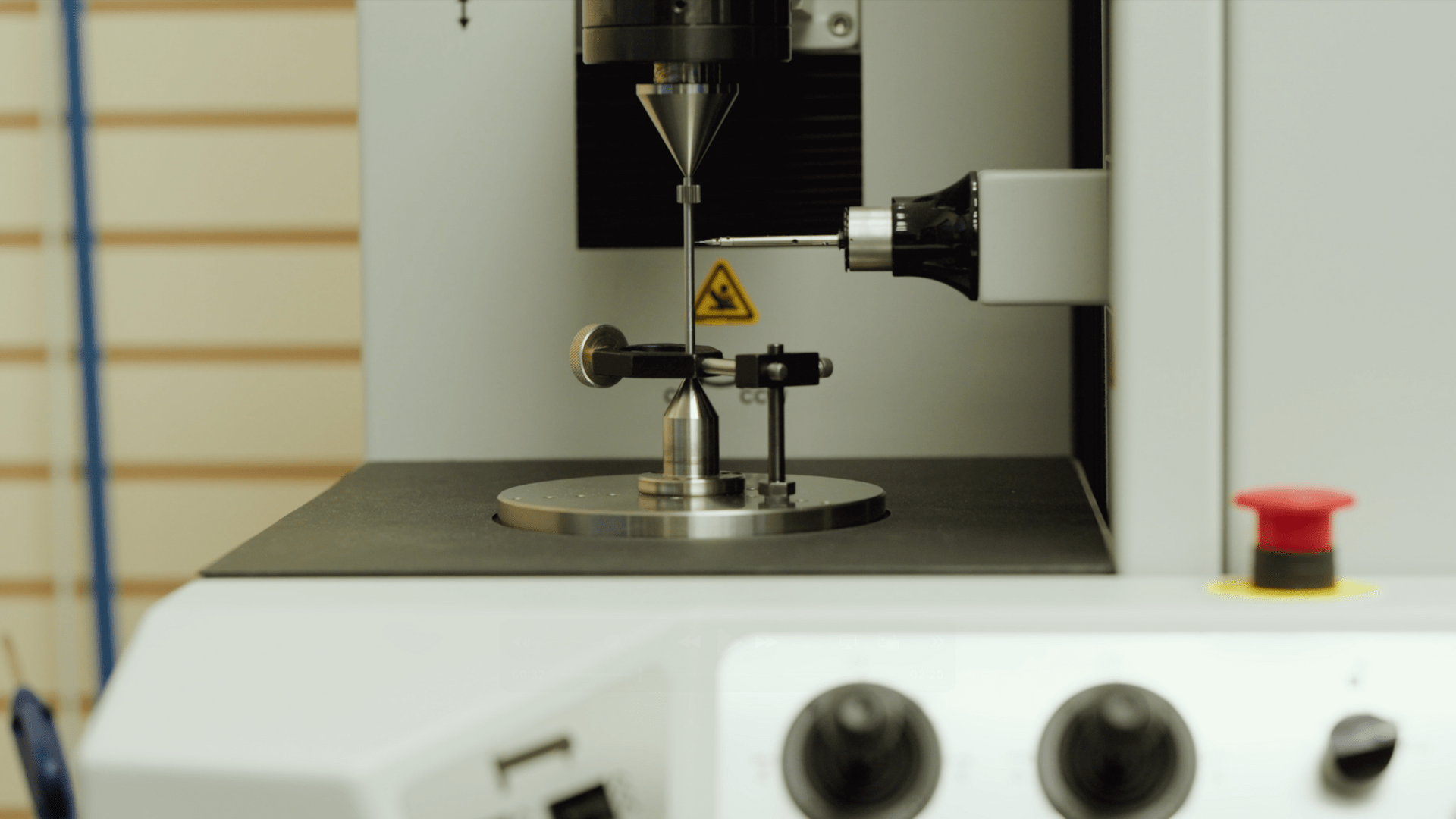
When creating medical devices, quality is built into the process, not inspected in at the end. Every component, from the smallest surgical screw to a complex implant, must meet specification without exception. That requires disciplined process control, validated workflows, and thorough inspection at every stage.
One way this is ensured is through regulatory compliance with international and national standards, such as ISO 13485, FDA regulations, and CE marking directives.
ISO 13485
ISO 13485 is an international quality management standard for companies involved in the design, manufacturing, and supply of medical devices. It defines how an organization must control its processes to consistently produce products that meet regulatory and customer requirements. Unlike general quality standards, ISO 13485 places a heavy emphasis on risk management, documentation, traceability, and process validation, reflecting the high-stakes nature of medical manufacturing.
For medical device manufacturers and their machining partners, ISO 13485 is often required. Certification demonstrates that a supplier operates with disciplined workflows, controlled change management, and repeatable inspection practices. In practice, it signals that quality is built into the process, not bolted on at the end, which reduces risk for OEMs navigating audits, regulatory submissions, and long-term production programs.
FDA Regulations for Medical Devices
In the United States, medical devices are regulated by the U.S. Food and Drug Administration (FDA) under Title 21 of the Code of Federal Regulations (CFR). These regulations govern how medical devices are designed, manufactured, tested, documented, and monitored once they are on the market. Key requirements include Quality System Regulation (21 CFR Part 820), device classification, design controls, and post-market surveillance.
FDA compliance focuses heavily on process control and documentation. Manufacturers and their machining partners must be able to demonstrate how parts are made, verified, and controlled over time. This includes traceability of materials, validated manufacturing processes, inspection records, and disciplined change control. For machining partners, FDA compliance requires consistently producing parts in a way that can stand up to regulatory scrutiny.
CE Marking
CE, which stands for Conformité Européenne (“European Conformity”), marking is the certification that allows a medical device to be legally sold in the European Union and European Economic Area. It indicates that a product meets the EU’s requirements for safety, performance, and risk management under the Medical Device Regulation (MDR). CE marking applies across all EU member states, enabling manufacturers to access the European market with a single conformity assessment.
Achieving CE marking requires more than passing a test. It demands a fully documented and controlled manufacturing system. Machining partners play a critical role by supporting traceability, material compliance, inspection documentation, and process consistency. If a component cannot be traced, validated, or reproduced reliably, it can jeopardize CE compliance. For medical device companies, choosing machining partners who understand and support CE requirements is essential to maintaining market access in Europe.
Beyond certification, compliance is about maintaining consistent processes, complete traceability, and clear documentation throughout the product lifecycle. Machining partners must be prepared to support audits, validations, and long-term production programs.
Innovation in Medical Devices
Medical technology continues to evolve toward smaller, more complex, and more precise devices. New designs often require tighter tolerances and more complex geometries than we’ve seen before.
A strong CNC machining partner helps device companies move from concept to reality efficiently. Rapid prototyping enables early testing and refinement and low-volume production supports validation and clinical trials. This capability allows for rigorous testing and validation before committing to large-scale manufacturing, significantly reducing development risks and accelerating market entry.
Feedback from experienced machinists can reduce risk before designs reach full production. This collaboration shortens development cycles while maintaining control over quality and compliance.
Applications: Where Medical Machining Makes a Difference
Precision machining touches virtually every aspect of modern healthcare, creating components critical to patient care.
Surgical Instruments and Implants
Surgical instruments rely on precision machining to ensure proper function, balance, and durability. Tools such as scalpels, forceps, endoscopes, and intricate robotic surgery components are machined to achieve extremely tight tolerances and flawless finishes. The functionality of these instrument directly impact surgical success.
Medical implants, including orthopedic implants, cardiovascular stents, and dental implants, require biocompatible materials and exact geometric specifications for integration within the human body. These parts must integrate reliably with the body and perform under long-term mechanical stress.
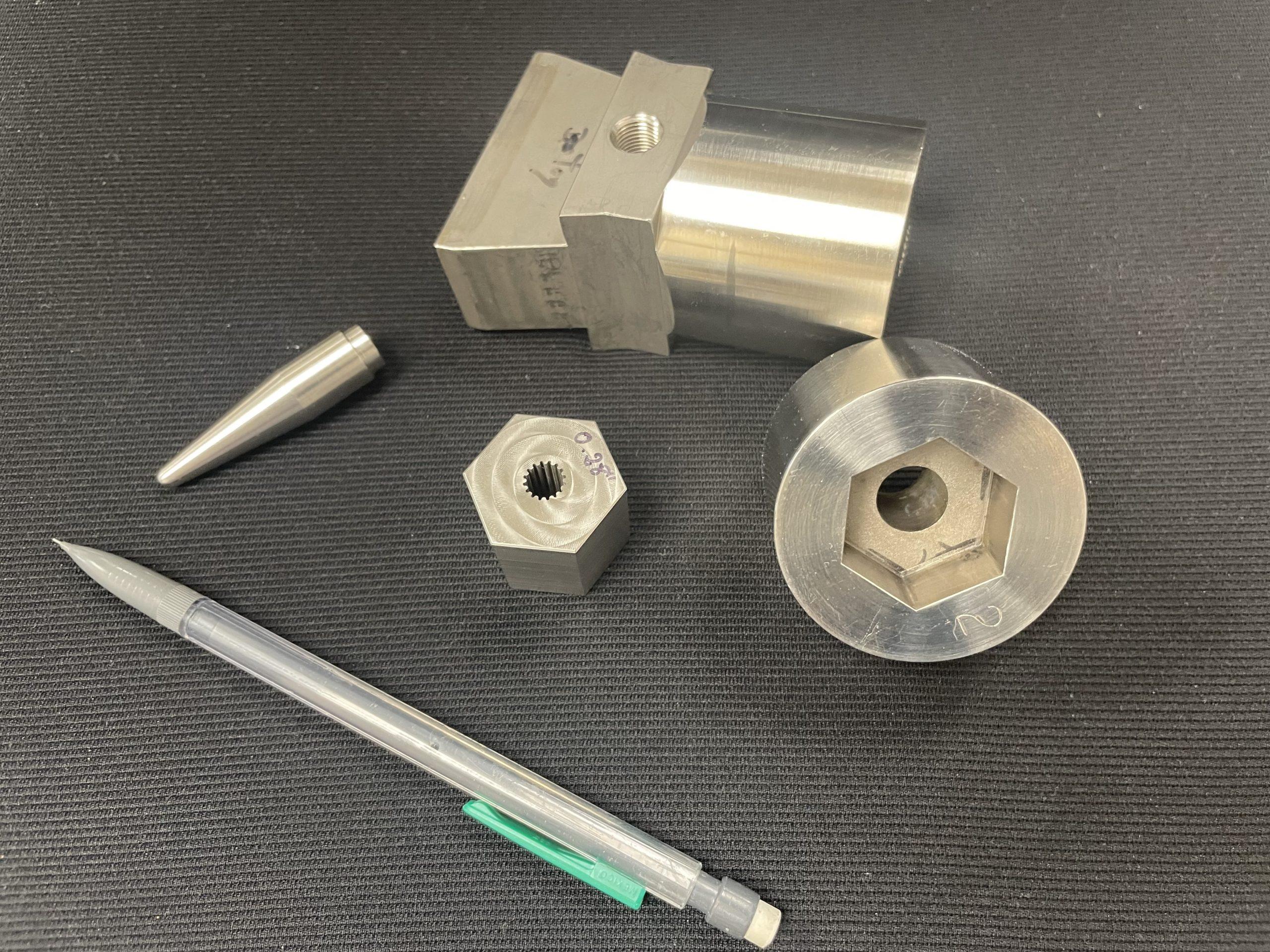
At Firstar, we support medical device manufacturers producing skin grafting systems, therapeutic devices, and a range of specialized medical instruments. These components demand tight tolerances, clean finishes, and repeatable quality because when a device reaches a clinician’s hands, there is no margin for error.
Diagnostic Equipment Components
Diagnostic systems depend on precisely machined internal components to deliver accurate results. Imaging equipment like MRI machines and CT scanners, lab instruments, and monitoring systems all rely on machined parts that maintain alignment, stability, and repeatability. These components often feature intricate designs and require exceptional surface finishes to guarantee the integrity of diagnostic results.
Prosthetics and Orthotics
Custom prosthetics and orthotics often require patient-specific designs and tight tolerances. CNC machining allows manufacturers to produce lightweight, durable components that improve comfort and functionality while meeting performance requirements.
Unlike many traditional medical products, prosthetic and orthotic components are frequently one-of-one. Each device is built around a specific patient’s anatomy, activity level, and clinical needs. That means production is rarely high-volume or standardized.
This is where experienced contract manufacturers bring real value. Shops built around process control and rapid setup can produce individual components with the same discipline used for regulated production runs. For prosthetic and orthotic manufacturers, that flexibility reduces lead times and supports better patient outcomes.
Materials of Choice: Sustaining Medical Machining Excellence
The selection of materials in medical machining is driven by stringent requirements for biocompatibility, strength, durability, and sterilization compatibility.
Biocompatible Metals
Biocompatible metals such as titanium, stainless steel, aluminum alloys, and cobalt-chrome alloys are the cornerstone of many medical devices, particularly implants. These materials exhibit excellent corrosion resistance, high strength-to-weight ratios, and the ability to integrate safely within the human body without adverse reactions. Our expertise extends to machining these demanding materials to the highest standards.
316L stainless steel has become increasingly popular for medical devices, implants, and surgical instruments. It is a low-carbon, corrosion-resistant stainless steel that holds up under intense mechanical stress without cracking or deforming. This material demands tight process control to hold tolerances and achieve clean surface finishes.
High-Performance Polymers
Advanced high-performance polymers like PEEK (polyether ether ketone), UHMWPE (ultra-high molecular weight polyethylene), and PTFE (polytetrafluoroethylene) are increasingly utilized for their unique properties. These materials offer lightweight characteristics, chemical resistance, and in some cases, radiotranslucency, making them ideal for specific medical applications where metal is unsuitable or less desirable.
Advanced Ceramics
Advanced ceramics, including alumina (synthetically produced aluminum oxide) and zirconia (zirconium dioxide), are employed in applications requiring exceptional hardness, wear resistance, and biocompatibility, such as dental implants and joint replacement components. While challenging to machine, their superior properties make them invaluable for specific high-stress medical environments.
Core Techniques and Technologies in Medical Machining
Our commitment to precision is underpinned by the deployment of state-of-the-art machining technologies and techniques.
CNC Machining: The Backbone of Precision
Computer Numerical Control (CNC) machining is the foundational technology in medical manufacturing. Utilizing computer-programmed instructions, CNC machines precisely control the movement of cutting tools, enabling the production of complex geometries with unparalleled accuracy and repeatability. This technology ensures consistency across batches, which is absolutely critical for medical components.
Swiss Machining: Intricate and Accurate
Swiss machining, a specialized form of CNC turning, is particularly adept at producing small, intricate, and high-precision parts often required for medical devices. With its ability to machine long, slender components with exceptional concentricity and surface finish, it is the preferred method for manufacturing delicate surgical components, bone screws, and dental implants.
Laser Machining: Non-Contact Precision
Laser machining offers a non-contact method for cutting, drilling, and marking a wide array of materials with extreme precision. Its capabilities include creating micro-features, fine perforations, and intricate patterns without mechanical stress or tool wear, making it invaluable for sensitive medical components and thin-walled structures.
Additive Manufacturing: Complementary and Evolving
While traditional machining excels in subtractive processes, additive manufacturing (3D printing) is becoming an increasingly important complementary technology in the medical sector. It allows for the creation of highly complex, customized geometries, patient-specific implants, and functional prototypes, often optimizing designs for improved performance or biological integration. We strategically integrate additive capabilities to expand our manufacturing horizons.
Choosing the Right Medical Machining Partner
Selecting a medical machining partner is a strategic decision that affects product quality, compliance, and long-term success.
The right partner brings:
- Certified quality systems designed for medical manufacturing
- Experience with regulated environments and traceability requirements
- Advanced machining capabilities to support complex designs
- A collaborative mindset focused on long-term reliability, not short-term output
Medical professionals trust device manufacturers with patient outcomes. Device manufacturers trust machining partners to make that possible. Precision machining may operate behind the scenes—but its impact reaches all the way to the patient.